

be動詞の基本を確認しよう
be動詞は英語の文法の中で最も基本的で重要な動詞です。主な役割は「~である」と「~にいる/ある」の二つであり、時制や主語によって形が不規則に変化します。
1. be動詞の基本変化 🔄
be動詞は主語(人称)と時制(現在・過去)によって形が変化します。原型(Base Form)は be です。
| 時制 | 主語 | 形 |
| 現在形 | I | am |
| You, We, They, 複数名詞 | are | |
| He, She, It, 単数名詞 | is | |
| 過去形 | I, He, She, It, 単数名詞 | was |
| You, We, They, 複数名詞 | were |
- 分詞: 現在分詞は being、過去分詞は been です。
2. be動詞の主な役割(2つの意味)
be動詞は文の主要動詞として、以下の2つの基本的な機能があります。
A. 「〜である」(状態・性質): SVC の文型
主語の状態、性質、職業、同一性などを説明します。be動詞の後には主語を説明する語(補語 C)が置かれます。
- He is a musician.(彼は音楽家である。)— 職業/同一性
- The test results are encouraging.(テストの結果は有望である。)— 状態
B. 「〜にいる/ある」(存在・場所): SVA の文型
主語が**どこに存在するか(いるか、あるか)**を示します。be動詞の後には場所を表す語句(副詞句 A)が置かれます。
- My keys are on the desk.(私の鍵は机の上にあります。)
- We were at the stadium yesterday.(私たちは昨日スタジアムにいました。)
3. be動詞の補助的な役割(助動詞として)
be動詞は、他の動詞を助けて進行形や受動態を作る助動詞としても使われます。
- 進行形: be+動詞の -ing
- They are studying for the exam.(彼らは試験勉強をしています。)
- 受動態: be+動詞の 過去分詞
- The book was published last month.(その本は先月出版されました。)
4. 否定文・疑問文の作り方 ❓
be動詞は、一般動詞と異なり、否定文や疑問文を作る際に助動詞 do は使いません。
- 否定文: be動詞の直後に not を置きます。
- It is not true.
- 疑問文: be動詞を主語の前に置きます。
- Are you ready?
be動詞と一般動詞の違いを知ろう
be動詞と一般動詞は、英語の動詞を構成する二大要素であり、役割、意味、文法的な扱いにおいて根本的に異なります。

1. 主な役割と意味の違い 💡
| 項目 | be動詞 (am, is, are, was, were) | 一般動詞 (run, eat, study, have など) |
| 主な意味 | 状態、存在、同一。「〜である」「〜にいる/ある」。 | 動作、作用、所有。「〜する」「〜を持つ」。 |
| 文型 | 主に S + V + C(補語)または S + V + A(場所) | S + V + O など多様な文型をとる。 |
| 補助的機能 | 助動詞として進行形や受動態を作る。 | 文の主要動詞として使われる。 |
| 例 | She **is** a student. (同一) / Keys **are** on the table. (存在) | She **runs** fast. (動作) / I **have** a car. (所有) |
2. 否定文・疑問文の作り方の違い 🙅♀️❓
これが両者の最も重要な違いであり、文法的な自立性に関わります。
A. be動詞のルール (自立)
be動詞は、それ自体が文法的な変化を担う力があるため、助動詞 do の助けを必要としません。
- 否定文: be動詞の直後に not を置く。
- 例: He **is not** a teacher.
- 疑問文: be動詞を主語の前に置く。
- 例: **Are** you ready?
B. 一般動詞のルール (助動詞 do が必要)
一般動詞は、否定文や疑問文を作る際に、助動詞 do(または does,did)の助けが必要です。
- 否定文: $\text{S + **do not / does not / did not** + V (原形) + \cdots}$
- 例: She **does not eat** meat.
- 疑問文: $\text{**Do / Does / Did** + S + V (原形) + \cdots ?}$
- 例: **Did** you **call** him?
3. 形の変化の不規則性
be動詞は人称や時制による変化が極めて不規則です。
| 時制/人称 | be動詞の形 | 一般動詞 (write の例) |
| 現在形 (I) | am | write |
| 現在形 (He) | is | writes |
| 過去形 (They) | were | wrote |
4. 文内での共存
一つの文の中で、be動詞と一般動詞が同時に「主要動詞」として使われることはありません。
ただし、be動詞が助動詞として、一般動詞の分詞を伴う場合は共存します。
- ✓ She **is** **watching** TV. (進行形)
- ✓ The car **was** **stolen**. (受動態)
「are」を使った料理レシピの例文
「are」は、複数の食材や調理過程を説明する際に頻繁に使われます。料理レシピでは、材料を列挙したり、調理手順を説明したりする場面で「are」が活躍します。
例1:オムレツのレシピ
材料:
- Eggs: 3 (卵は3個です)
- Milk: 2 tablespoons (牛乳は大さじ2杯です)
- Salt and pepper to taste (塩コショウは少々です)
- Your favorite fillings (お好みの具材: 例えば、チーズ、ハム、玉ねぎなど)
作り方:
- Crack the eggs into a bowl. (卵をボウルに割ります。)
- Add the milk, salt, and pepper, and whisk until combined. (牛乳、塩、コショウを加えて、よく混ぜます。)
- Heat a frying pan over medium heat and add a little oil. (中火でフライパンを熱し、少し油を引きます。)
- Pour the egg mixture into the pan. (卵の混合物をフライパンに注ぎます。)
- Once the bottom is set, add your fillings and fold the omelette in half. (底が固まったら、お好みの具材を加え、オムレツを半分に折ります。)
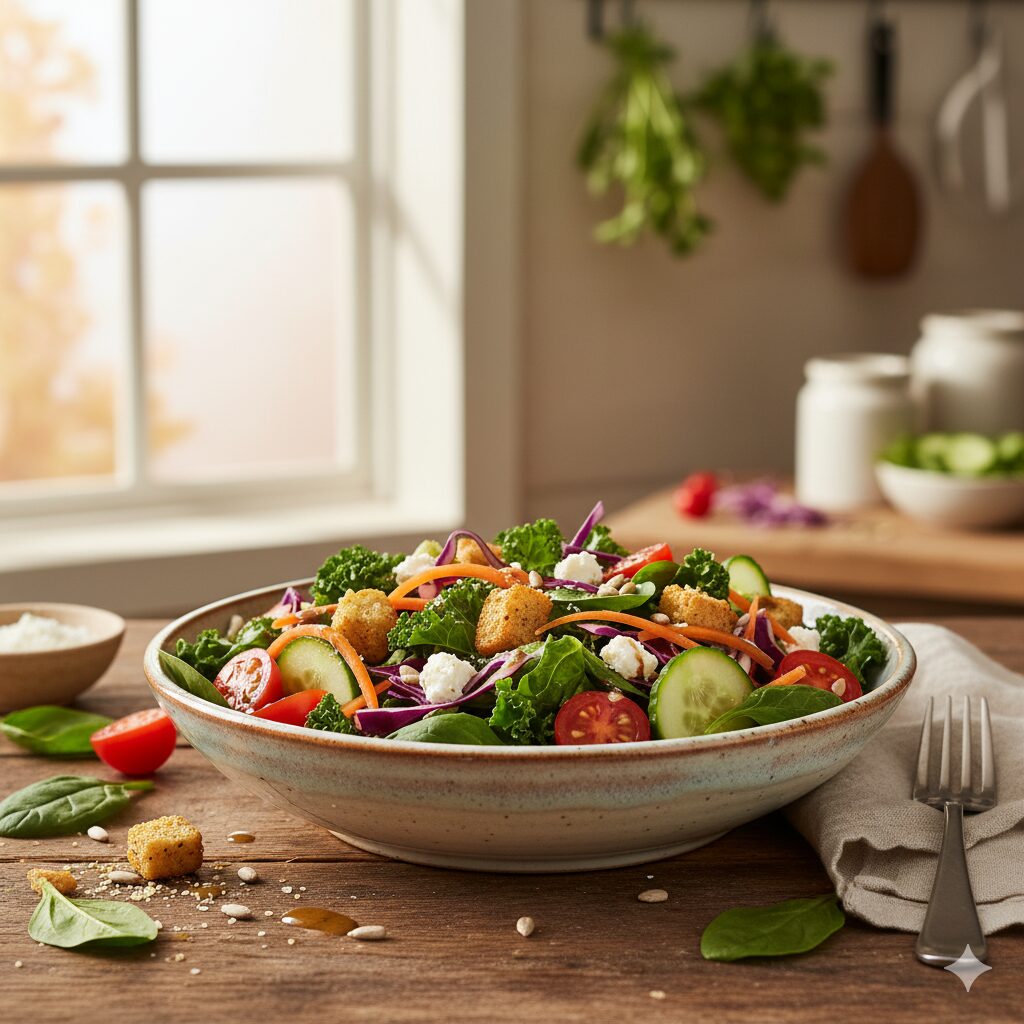
例2: サラダのレシピ
材料:
- Lettuce: 1 head (レタス1個)
- Tomatoes: 2 (トマト2個)
- Cucumbers: 1 (キュウリ1本)
- Dressing: Your favorite (ドレッシングはお好みで)
作り方:
- Wash the lettuce, tomatoes, and cucumber. (レタス、トマト、キュウリを洗います。)
- Cut the lettuce, tomatoes, and cucumber into bite-sized pieces. (レタス、トマト、キュウリを食べやすい大きさに切ります。)
- Place the vegetables in a bowl. (野菜をボウルに入れます。)
- Drizzle the dressing over the salad and toss to coat. (サラダにドレッシングをかけ、よく混ぜます。)
カレーのレシピを「are」を使って英語で表現してみましょう!
「are」は、複数のものを表したり、進行中の状態を表すときに使う動詞です。カレーのレシピでは、複数の食材をまとめて言ったり、調理の過程を説明したりする際に「are」が活躍します。
例えば、以下の部分で「are」が使われています。
- 材料: The onions, potatoes, and carrots are chopped. (玉ねぎ、じゃがいも、人参は切ります。)
- 調理: The meat and vegetables are cooked in a pot. (肉と野菜を鍋で煮込みます。)
- スパイス: Turmeric, coriander, and cumin are added. (ターメリック、コリアンダー、クミンを加えます。)
具体的なレシピ例(チキンカレー)
Ingredients:
- 1 onion
- 2 potatoes
- 1 carrot
- 200g chicken breast
- 4-5 curry cubes
- 500ml water
- 2 tablespoons oil
- Salt and pepper to taste
Instructions:
- Preparation: The onion, potatoes, and carrot are peeled and cut into 1cm cubes. The chicken breast is cut into bite-sized pieces.
- Sauté: Heat the oil in a pot and sauté the onion until translucent. Then, add the chicken and cook until it changes color.
- Add vegetables: Add the potatoes, carrots, and cook further.
- Add water: Add water, bring to a boil, and skim off any scum. Simmer over low heat for 15 minutes.
- Dissolve curry cubes: Turn off the heat and crumble the curry cubes into the pot. Stir well.
- Finish: Turn the heat back on and simmer for 5 more minutes. Season with salt and pepper to taste.
「are」を使うポイント
- 複数の食材: 複数の食材をまとめて言いたい時に「are」を使います。
- 調理のステップ: 一連の調理工程を説明する際に「are」を使います。
- 状態の表現: 材料の状態(例えば、切った、洗ったなど)を説明する際にも「are」を使います。
「are」が使われている部分に注目してください。
- 材料を列挙する時: Eggs are 3. (卵は3個です)
- 調理手順を説明する時: The eggs are cracked into a bowl. (卵をボウルに割ります。)
「are」を使うことで、複数の食材や調理工程をわかりやすく説明することができます。
その他のレシピで「are」が使われる例
- Baking: The ingredients are mixed together in a bowl. (材料をボウルで混ぜ合わせます。)
- Cooking rice: The rice and water are cooked in a rice cooker. (お米と水を炊飯器で炊きます。)
- Making pasta: The pasta and sauce are served together. (パスタとソースを一緒に盛り付けます。)
まとめ
カレーのレシピでは、「are」を効果的に使うことで、複数の食材や調理工程をわかりやすく説明することができます。上記の例を参考に、様々なレシピに「are」を応用してみてください。
be動詞areに関連する練習問題に挑戦しよう!

問題
英文和訳(以下の英文を和訳しなさい)
- We are good at playing basketball and we are happy about it.
- The guests are arriving at the hotel this very moment. (進行形)
- Are the keys on the table, or are they in your bag?
- These books are to be returned to the library by Friday. (be to do/義務)
- All the documents are protected by a strong password. (受動態)
- The workers are not satisfied with their current salary.
- Are you sure you are ready for the presentation?
- The ruins are located on the top of the hill. (存在)
- If you are to finish this, you are to start immediately. (be to do/意図・義務)
- The children are always running around the house, which is annoying. (強調)
解答
英文和訳
- 私たちはバスケットボールをするのが得意で、そのことを嬉しく思っています。
- ゲストたちは今まさにホテルに到着しているところです。
- 鍵はテーブルの上にありますか、それともあなたのバッグの中にありますか。
- これらの本は金曜日までに図書館に返却されなければならない。
- すべての書類は強力なパスワードによって保護されています。
- 作業員たちは彼らの現在の給料に満足していません。
- あなたはプレゼンテーションの準備ができていると確信していますか。
- その遺跡は丘の頂上に位置しています。
- もしあなたがこれを終わらせたいのなら、すぐに始めなければならない。
- 子供たちはいつも家の周りを走り回っていて、それは腹立たしいことです。
和文英訳(以下の日本語を are を使って英訳しなさい)
- 彼らは今、新しい映画を見ていますか?
- 私たちの計画は次の会議で発表される予定です。(受動態)
- あなたたちは私たちの成功に満足していますか?
- 私たちが行くことになっている場所はどこですか?(be to do/予定)
- このワインはフランスで造られています。(受動態/現在形)
- なぜあなたたちはそんなに怒っているのですか?
- 彼らは親切で助けになってくれる人たちです。
- その結果は、誰もが知っているわけではありません。
- (文頭に場所を表す語句を用いて)この部屋には、二つの大きな窓があります。
- 私たちは、いつも一生懸命努力しているのです。(強調)
解答
和文英訳
- Are they watching a new movie now?
- Our plan is to be announced at the next meeting. (または Our plans are to be announced…)
- Are you satisfied with our success?
- Where are we to go?
- This wine is made in France.
- Why are you so angry?
- They are kind and helpful people.
- The results are not known to everyone.
- In this room are two large windows. (倒置表現)
- We are always trying our best. (強調)
てばっち英語研究所|おすすめ学習ツール
【書籍】英文法の「見え方」を変える一冊
「なぜここでこの表現になるの?」
「丸暗記では限界がある……」
そんな人におすすめしたいのが、『一億人の英文法』です。
英語を単なるルールの暗記としてではなく、「なぜこの表現が使われるのか」というイメージから理解することを重視した英文法書です。
コアイメージをつかむことで、英文法だけでなく、英文を読むときの理解にもつながります。
私自身も授業づくりの参考にしており、英語を「暗記するもの」から「イメージで理解するもの」へ変えていくための一冊として活用しています。
「もっと英文法を深く理解したい」という人は、チェックしてみてください。

【問題演習】「分かった」を「解ける」に変える
「解説を読めば分かるけれど、問題になると迷ってしまう……」
そんなときは、実際に問題を解いてみましょう。
英文法は、ルールを覚えるだけでなく、問題の中で何度も使うことで「自分で判断できる知識」になっていきます。
学校の定期テスト、大学受験、日々の英語学習など、自分の目的に合った教材を選ぶことがポイントです。
【英文法】
【まずは基礎から練習したい】

【入試対策に向けて段階的に問題を解きたい人へ】

【英文解釈】
【文法は分かるけれど、英文の構造がつかみにくい人へ】

【入試対策に向けて段階的に理解をしたい人へ】

【難関大学の英文を本格的に読みたい人へ】

【長文対策】
【まずは長文に慣れたい人へ】

【英検対策】英検の過去問・問題集を探す
英検を受験するなら、単語や文法を覚えるだけでなく、実際の試験形式で問題を解き、自分の弱点を確認することも大切です。
過去問題集を使って、本番と同じ形式で問題に取り組んでみましょう。
|中学校の内容を総復習
|高校英語の基礎
|高校英語の基礎から応用へ
|大学受験基礎+英検対策
|語彙・長文・英作文・リスニング
|高度な語彙・長文・英作文・リスニング
【オンライン英会話】理解した英語を「話せる英語」へ
英会話を始めるのが初めての人は、まず無料体験から試してみるのもよいでしょう。
覚えた英文法や単語は、実際に口に出して使ってみることで、より実践的な知識になります。
「読む・解く」だけでなく、次は英語を実際に使ってみたいという人には、オンライン英会話という方法もあります。
予約不要・5分から始められるオンライン英会話
英検・二次試験対策にも対応したマンツーマンレッスン
【受験・自学自習】学校の授業にプラスして学びたい人へ
学校の授業だけでは、
- もう少し詳しく説明してほしい
- 苦手なところを繰り返し復習したい
- 自分のペースで勉強したい
- 大学受験に向けて計画的に学びたい
ということもあります。
そんなときは、オンライン教材や通信講座を活用する方法もあります。
添削指導で記述力・応用力を伸ばしたい人に
さらに教材を探してみる
学習目的やレベルに合った教材を探したい方はこちら。